
About
Empowering Learning Through Montessori Materials
Montessori Meisha was created out of a simple but urgent need for more diverse, culturally relevant Montessori materials for children and schools everywhere. With more than 130 printable resources spanning language, mathematics, botany, zoology, geography, sciences, and history, these materials are designed for Montessori classrooms, homeschool families, traditional classroom teachers, and special education settings. They are particularly well-suited for neurodivergent learners and any child who benefits from hands-on, visual, and multi-sensory approaches to learning.
Who is Meisha?
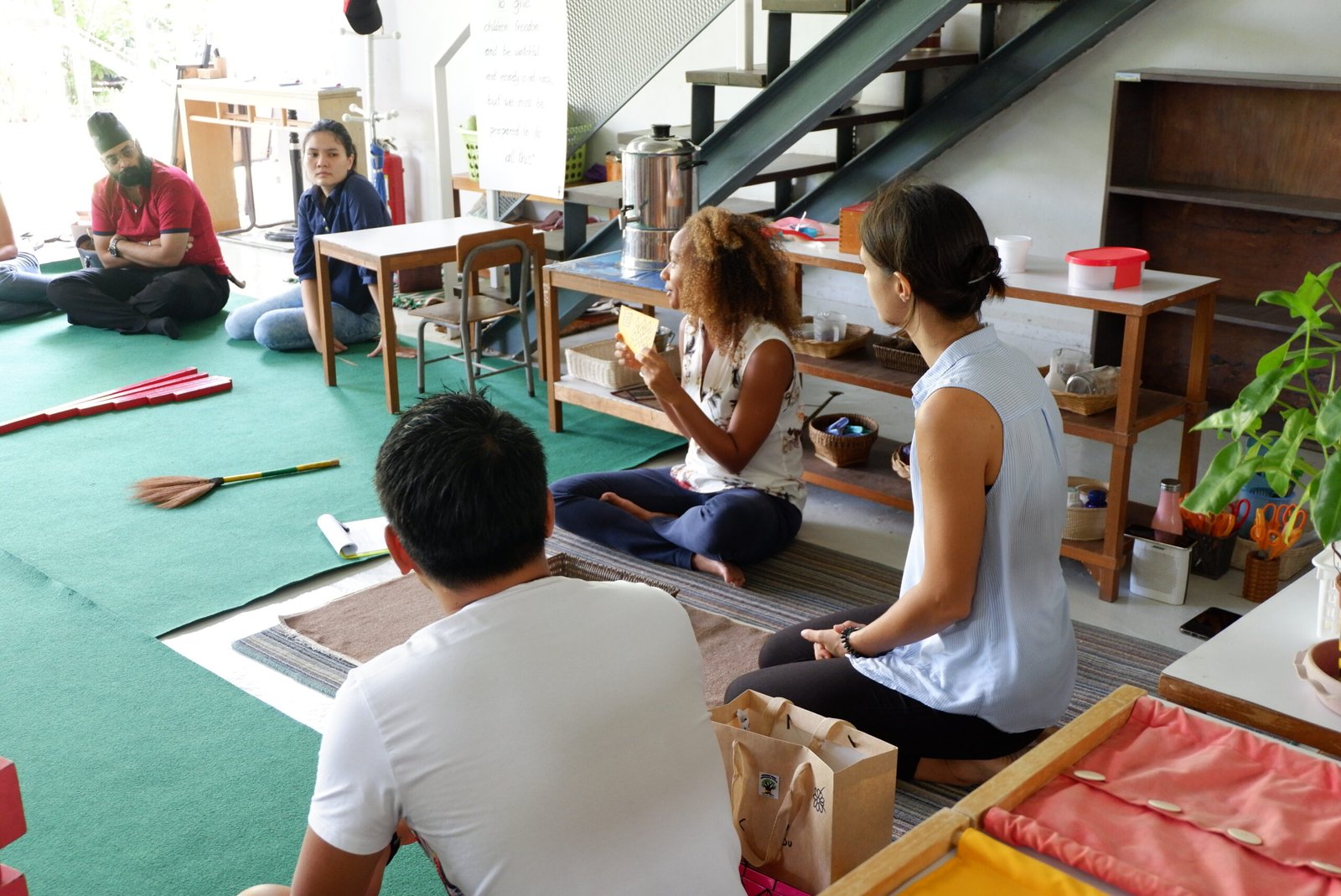
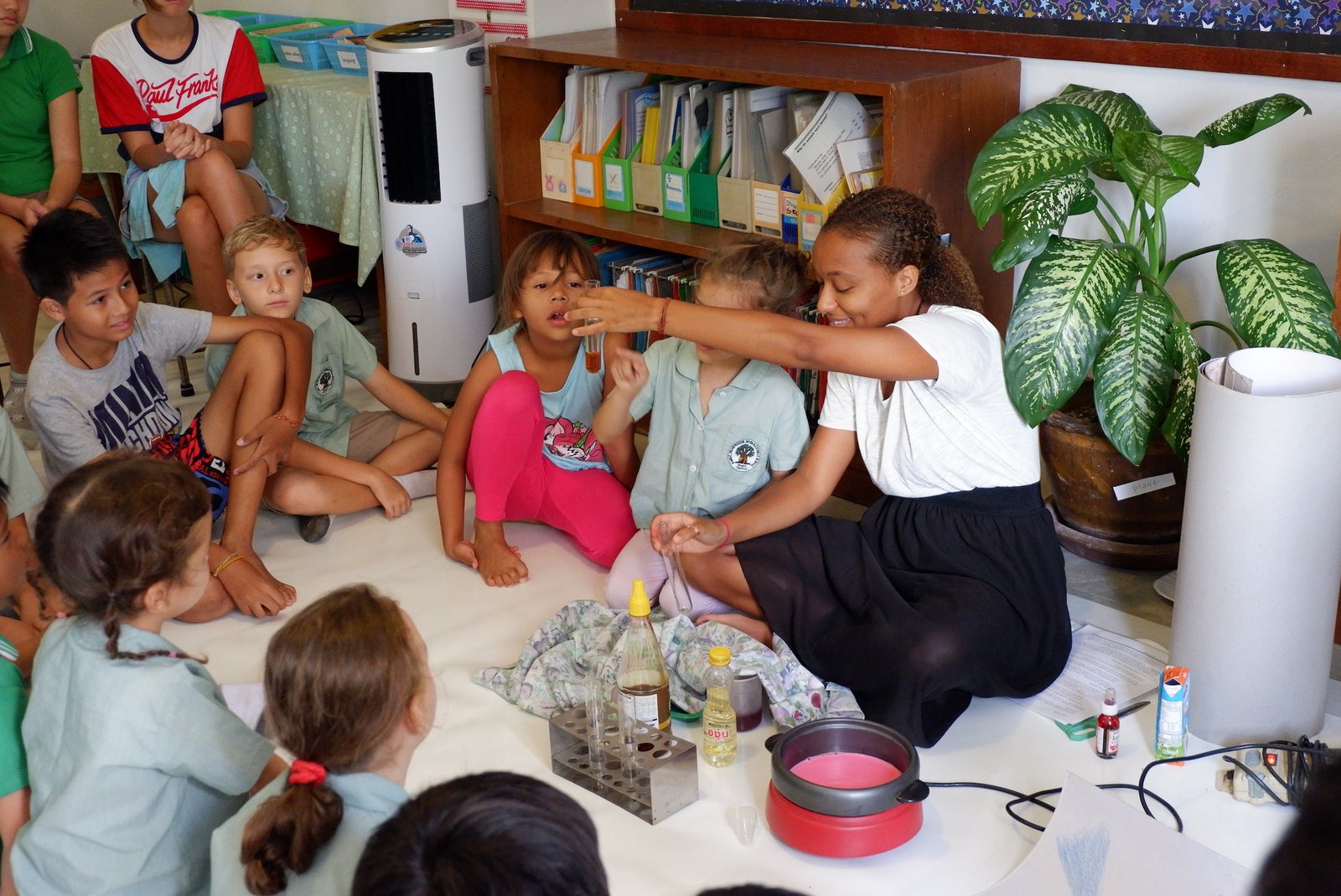
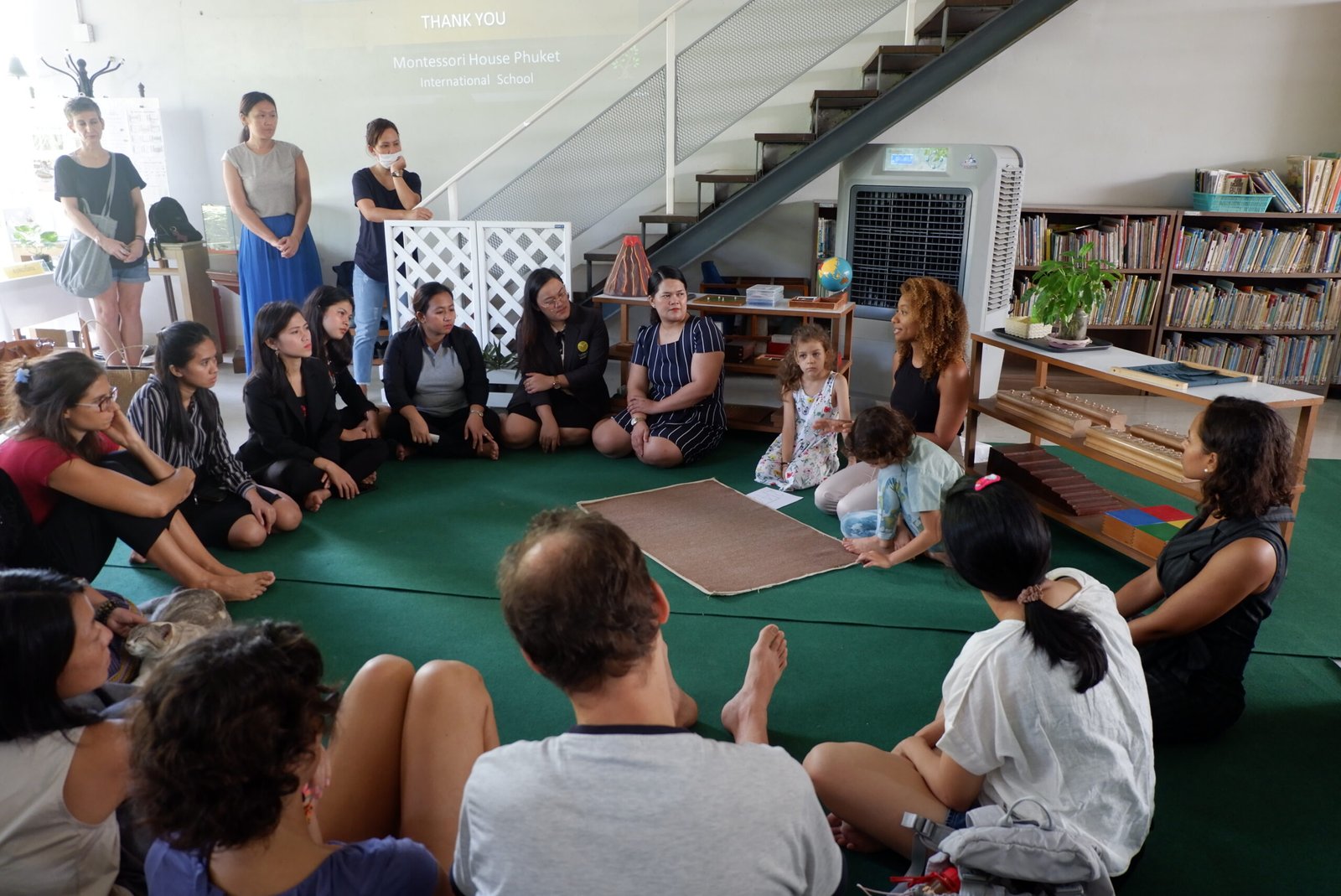
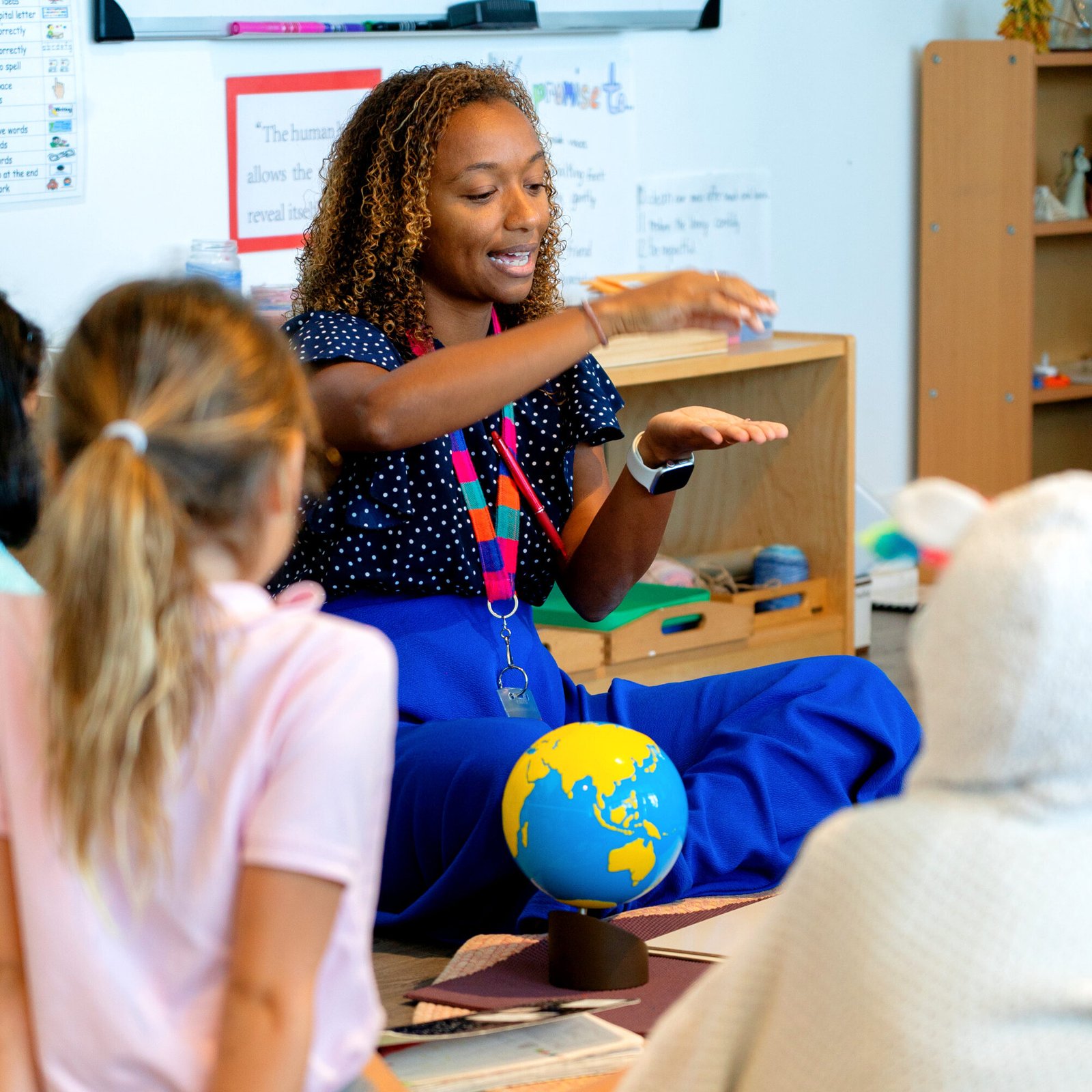
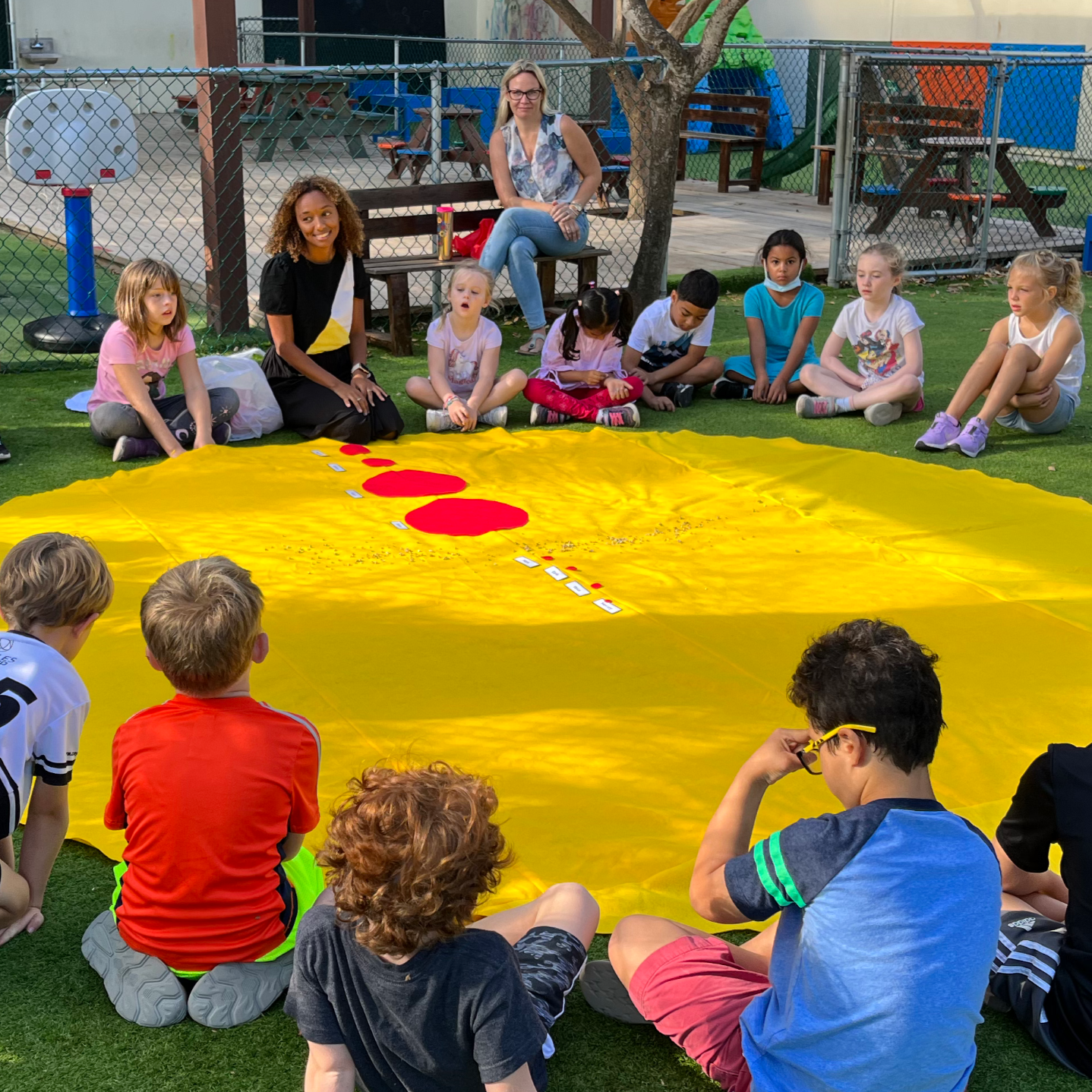
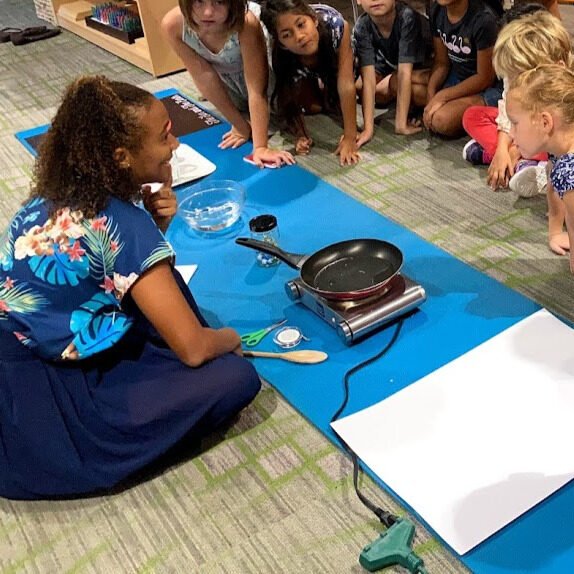
Meisha, M.Ed, is a certified Elementary Montessori guide who has been working as a Montessori steward around the world for the last 10 years. She is a passionate Montessori educator who saw the value of the pedagogy from the very first moment she stepped into a Montessori Casa classroom many years ago. She completed her first Montessori teacher training with the American Montessori Society for the Lower Elementary (6-9) level in Florida, USA and has been thoroughly engaged in Montessori pedagogy ever since, going on to do further trainings with AMI for all levels from 3-12.
She firmly believes that this educational method can change the future, and forever change the way we think about education. As a teacher, she aims to put as much emphasis on children’s social and moral development as she does on their academic learning, which comes naturally to the inquisitive child. It is through social and emotional learning that children begin to grow into adults who care about the way they inhabit and regard each other and the world around them.
Every photograph in these materials has been intentionally sourced to reflect the diversity of the real world. Children learn better when they feel a sense of belonging through seeing themselves and their communities represented in their learning. That takes time, research, and care, and it is at the heart of everything I create.

Ms. Meisha
Founder, Creator
Why Montessori?
Dr. Maria Montessori designed her groundbreaking pedagogy after studying children and human development for 50 years. She posited that if the environment is created with the child in mind, then everything is an opportunity for learning. She learned through observation of children that different types of learning materials in the prepared environment would serve different learning functions for children in the various stages of development.
She designed her curriculum with sensory and practical life skills in mind for children between the ages of 3-6. For the next level, 6-12, she designed materials that would allow the child ample space and opportunity to explore their interest in knownledge of all things, moving from concrete understandings of the world to abstract understandings. Here, children begin to develop a stronger interest in understanding the how and why of the world around them, leading them to develop the capacity for learning even the most complex of subjects–from the leaf margins to the creation of stars through helium and other elements. Children have the entire world open to them at this level in a Montessori classroom, and a Montessori guide is there to help them as they develop their morality and sense of responsibility in society.
Therefore, you will see through these materials, a variety–and perhaps vocabulary–you would not usually associate with children at the age of 6 or 7. But they absolutely have both the capacity and the desire to learn as much as they possibly can about the world in which they live (Think about how often these children ask the question ‘why’). These materials help them do so in a way that is relevant, purposeful, and meaningful. In Montessori, it is never about rogue memorisation. A seed is planted through small lessons that spark their curiosity and then we give them the world to dive deeper into it all. This is how the dots connect for all humans, not just children.
This pedagogy is a revolution of education, whereby we cultivate freedom among children in order that they learn discipline and can help us bring about global harmony among humans.
“It is hoped that when this sentiment of love for all subjects can be aroused in children, people in general will become more human, and brutal wars will come to an end.” – Dr. Maria Montessori